
Our Products
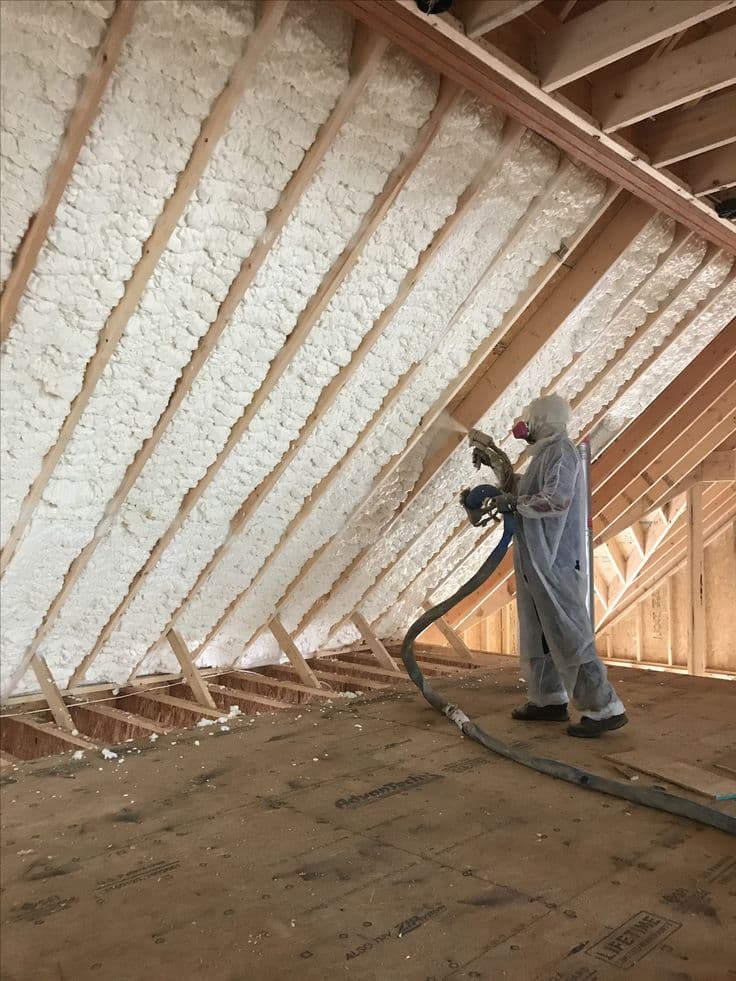
Rigid Foam
Rigid Polyurethane Foam is characterized by its closed cell structure, which provides excellent thermal Insulation and mechanical strength.Rigid polyurethane foam is a highly effective insulation material known for its low thermal conductivity, high strength, and versatility in various industrial applications.
Applications
- Domestic & Industrial Refrigeration
- PUF Panels
- Spray Foam
- Thermoware
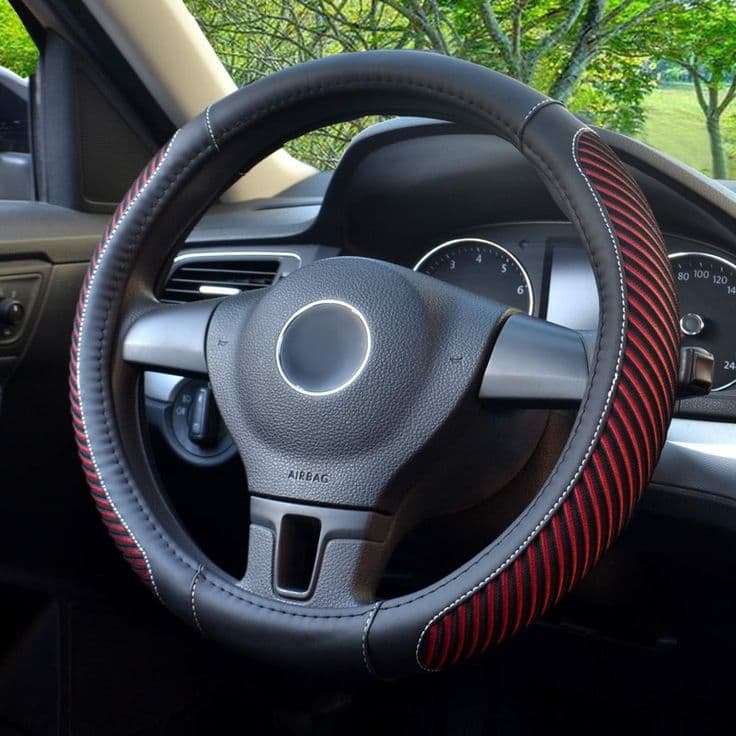
Integral Skin Foam
Integral skin polyurethane foam is a versatile material used in various industries due to its unique properties. It is characterized by a dual-layer structure, with a tough, flexible outer skin and a softer foam core. This foam is ideal for applications requiring durability, aesthetic appeal, and performance.
Applications
- Arm Rest
- Steering Wheels
- Gear Knob
- Airport Seats
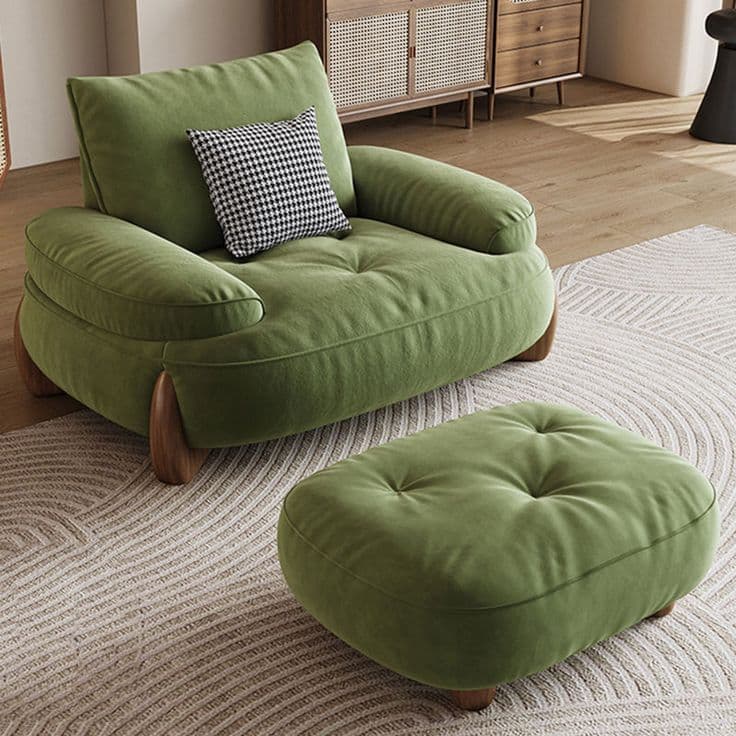
High Resilience (HR) Foam
High resilience foam (HR foam) is a durable, supportive, and versatile type of polyurethane foam, ideal for furniture, mattresses, and various applications due to its excellent bounce-back properties and longevity. Its unique properties make it an excellent choice for anyone seeking quality and comfort in furniture and bedding.
Applications
- Head Rest
- Car Seats
- Two Wheeler Seats
- Furniture Cushions
- Under Carpet Insulation
Structural Foam
Structural Foam is a versatile material used in sturutural support, sound proofing and Insulation. Its excellent thermal Insulation properties makes it ideal for roofs, walls etc to improve insulation and energy efficiency. It can be used as a replacement for wood and traditionally natural materials such as plasters and mortar.
Applications
- Photo Frames
- Car Roofliners
- Bed Frames
- Decorative items
- PU Tiles
Viscoelastic Foam
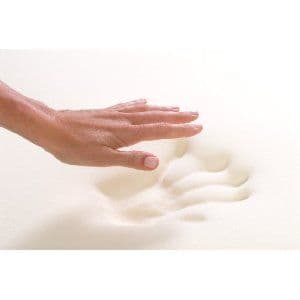
Viscoelastic polyurethane foam is a specialized type of foam that combines the properties of elasticity and viscosity. This foam is characterized by its ability to slowly return to its original shape after being compressed, making it ideal for applications requiring comfort and support, such as mattresses and cushions.
Applications
- Mattresses
- Pillows
- Back Support
- Coxy Seat
Coatings
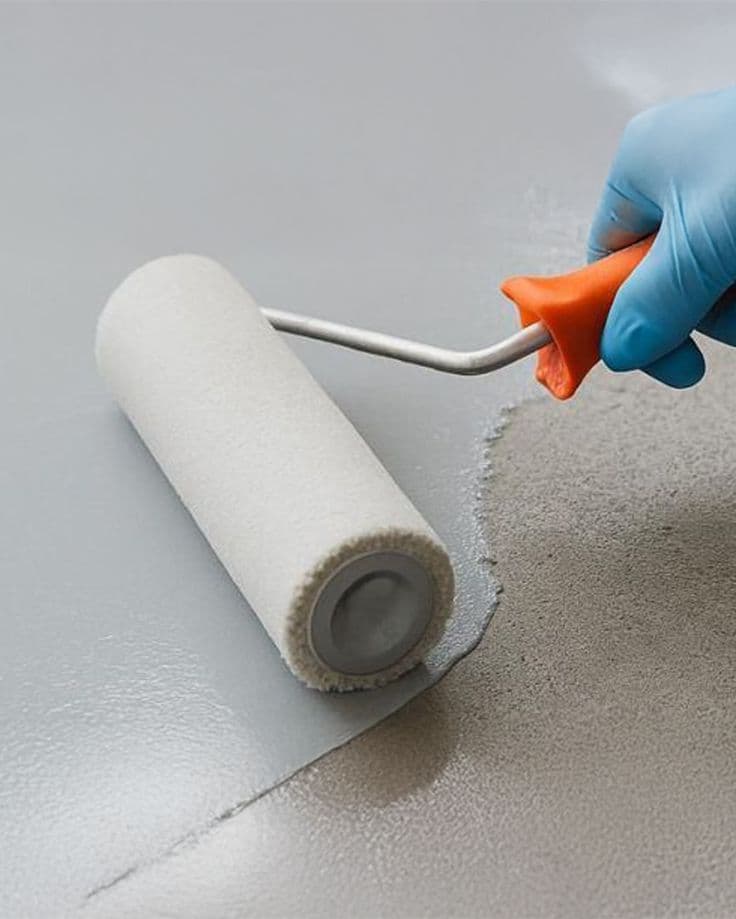
Coatings, adhesives, sealants, and elastomers (CASE) are essential materials used across various industries for protection, bonding, and performance enhancement.
Applications
- Construction
- Automotive
- Packaging
- Aerospace
Adhesive
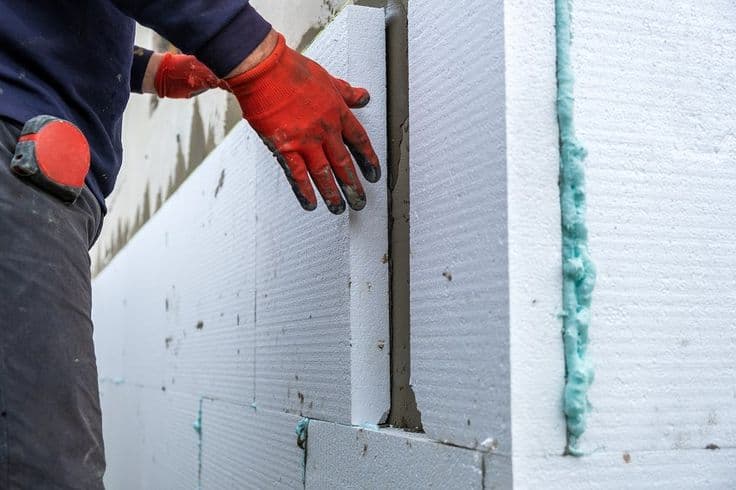
Polyurethane adhesives are versatile, high-performance bonding solutions known for their durability, flexibility, and resistance to various environmental factors.
Applications
- Construction
- Automotive
- Packaging
- Aerospace
Sealants
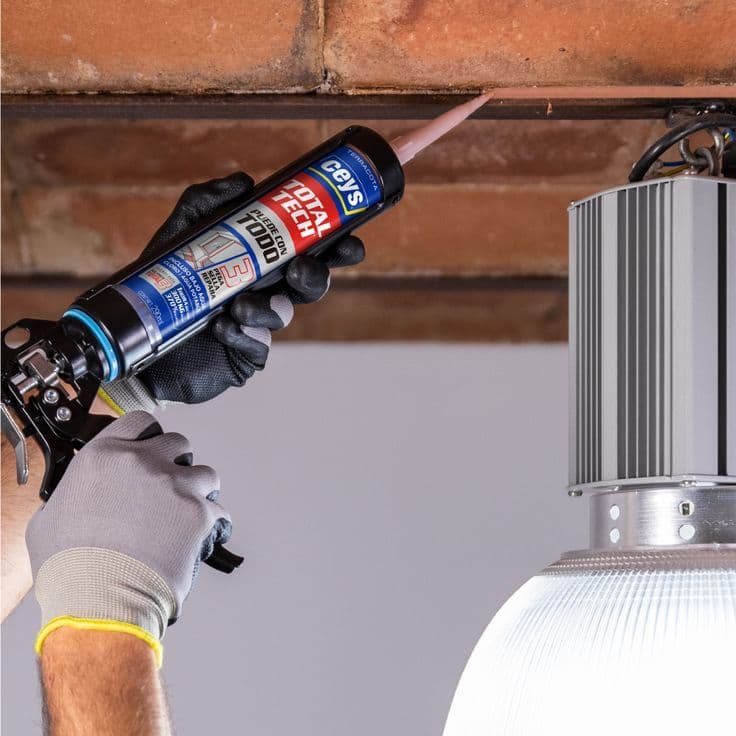
Polyurethane sealants are versatile, high-performance materials used for sealing joints and gaps in various construction and industrial applications, offering excellent adhesion, flexibility, and durability.
Applications
- Construction
- Automotive
- Marine
- Industrial
Elastomer
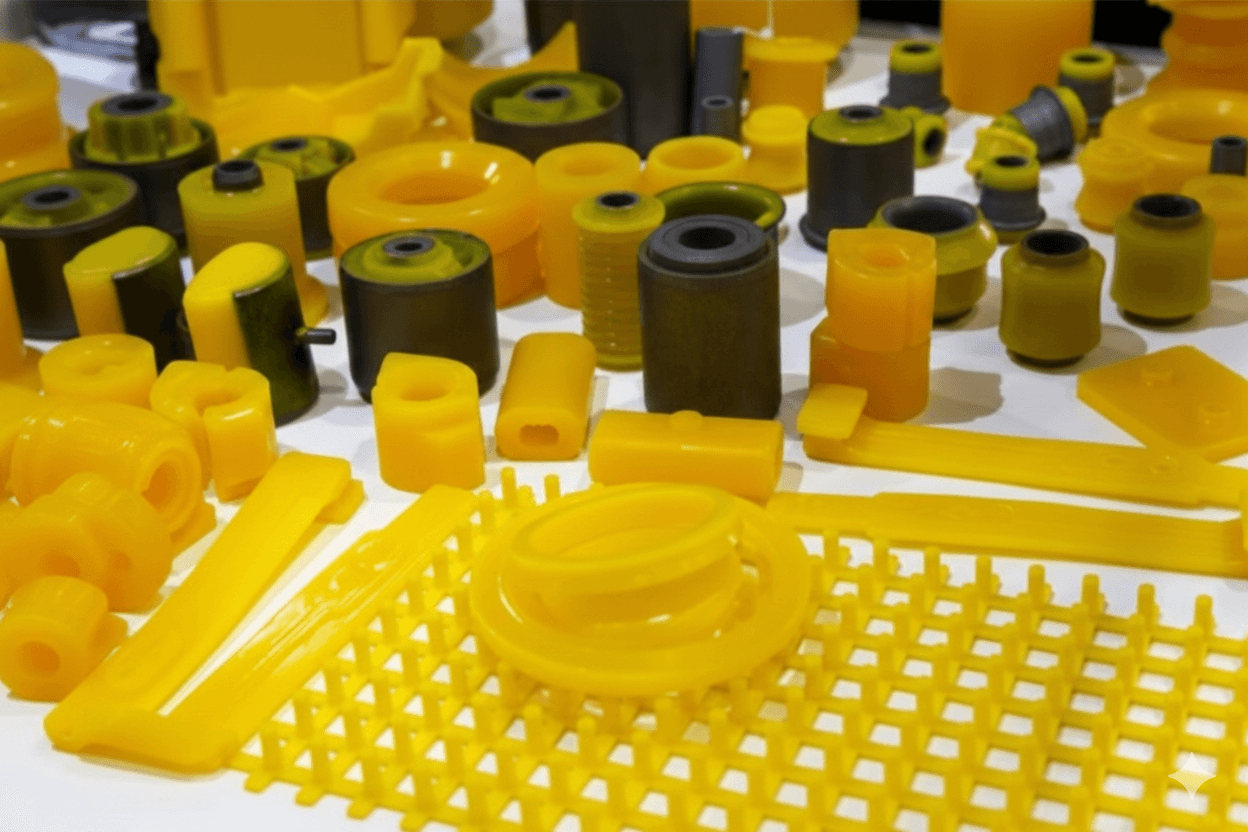
Polyurethane elastomers (PU elastomers) are a class of polymers formed by the reaction of polyols and isocyanates. This reaction creates urethane linkages, resulting in materials that exhibit both elastic and resilient properties. Elastomers are known for their exceptional durability, flexibility, and resistance to wear, making them suitable for a wide range of applications across various industries.
Applications
- Footwear
- Automotive
- Construction
- Industrial Equipments
Thermoplastic Polyurethane (TPU)
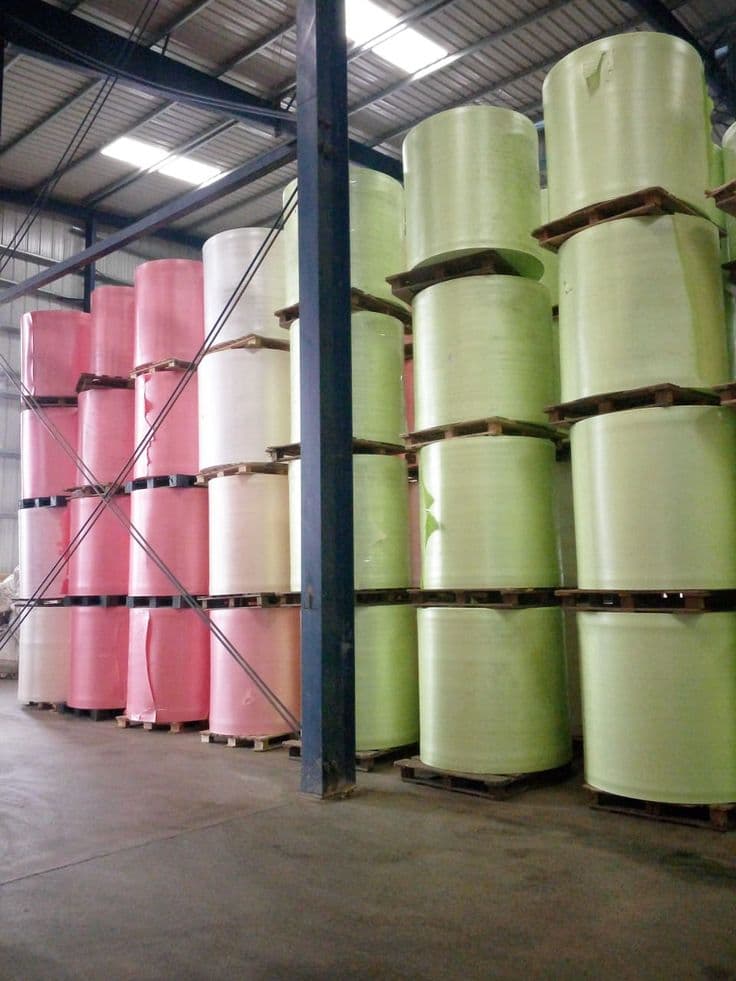
TPU is a type of thermoplastic elastomer that combines the properties of rubber and plastic. It is produced through a polyaddition reaction between diisocyanates and polyols, resulting in a block copolymer structure that consists of hard and soft segments. This unique structure allows TPU to exhibit a variety of physical and chemical properties, making it adaptable for different uses.
Applications
- Footwear
- Automotive
- Cables & wires
- Medical Devices
Thermoplastic Elastomer (TPE)
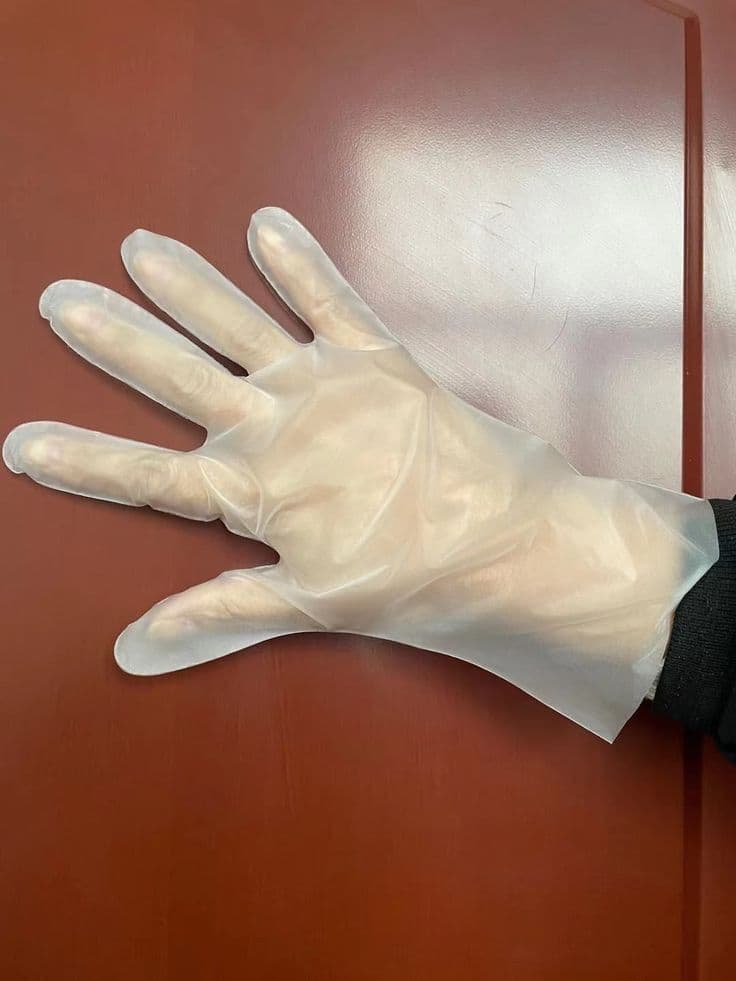
Thermoplastic elastomers (TPE), sometimes referred to as thermoplastic rubbers (TPR), are a class of copolymers or a physical mix of polymers (usually a plastic and a rubber) that consist of materials with both thermoplastic and elastomeric properties.
Applications
- Automotive Parts
- Footwear
- Medical Devices
- Consumer Goods
Engineering Plastics
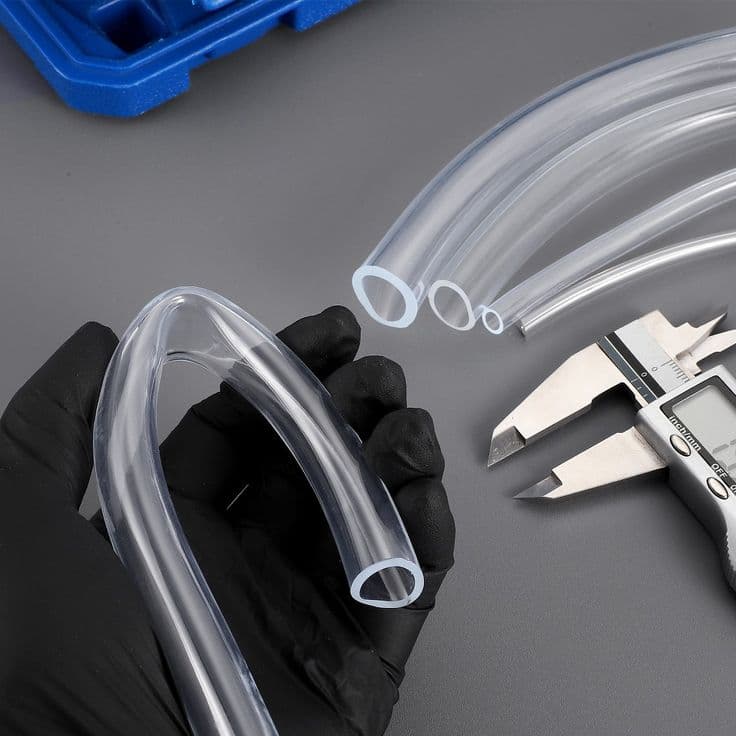
High-performance engineering plastics for critical applications
Applications
- Automtive
- Aerospace
- Consumer Goods
- Medical
